
Common House Pests in Upstate SC
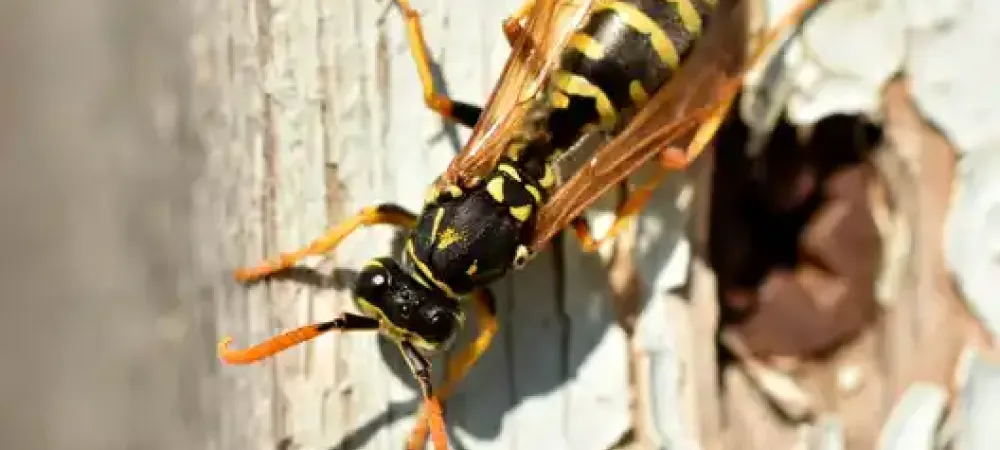
Common house pests in Upstate South Carolina include termites, ants, cockroaches, mosquitoes, spiders, rodents, bed bugs and stinging insects. Some primarily live outdoors but may enter homes, while others can establish themselves inside a structure.
Termites
Termites are among the most important pests for South Carolina homeowners to watch for because some species can damage wood within a structure. South Carolina is home to both subterranean and drywood termites, with subterranean termites responsible for much of the termite damage in the state.
Signs of termite activity can include:
- Swarmers or winged termites around windows and doors
- Discarded wings indoors
- Mud shelter tubes along foundations or crawlspace walls
- Wood damage
- Evidence of moisture around areas where termites may be active
Seeing a few termites outdoors does not necessarily mean a home has an infestation. However, large numbers of swarmers or discarded wings inside a home can indicate a structural infestation.
Ants
Ants are another common household pest in South Carolina. They may enter homes while searching for food, water or shelter, particularly when outdoor conditions change.
Different ant species can behave differently, so identifying the type of ant can help determine where it may be nesting and what is attracting it.
Homeowners may notice ants:
- Along windowsills and doorways
- Around kitchens and other areas where food is present
- Near sinks or other sources of moisture
- Along trails leading from outdoor areas into the home
- Around cracks or other potential entry points
Keeping food stored in sealed containers, cleaning up spills and crumbs, and sealing gaps around the home can help reduce conditions that attract ants.
Cockroaches
Cockroaches can be especially persistent once they find suitable conditions inside a home. They generally seek places that provide food, water and shelter.
Common places to notice cockroaches include kitchens, bathrooms, garages, crawlspaces and other areas with moisture or accessible food sources.
To make a home less attractive to cockroaches, homeowners can:
- Clean up food crumbs and spills promptly
- Store food in sealed containers
- Keep trash in covered containers
- Fix plumbing leaks and other moisture problems
- Reduce clutter where cockroaches could hide
- Seal cracks and gaps around the home
If cockroaches are repeatedly appearing despite these steps, identifying where they are coming from can help determine the source of the problem.
Mosquitoes
Mosquitoes are primarily an outdoor pest, but they can make it difficult to enjoy yards, patios and other outdoor areas around the home. South Carolina is home to over 61 mosquito species!
Standing water is one of the biggest factors homeowners can address around their properties. Water that remains stagnant for several days can become a potential mosquito breeding site.
Common places where water may collect include:
- Birdbaths
- Flowerpot saucers
- Gutters
- Buckets
- Tires
- Children's toys
- Tarps
- Tree holes
- Poorly draining areas
Regularly emptying containers and correcting drainage problems can help reduce mosquito breeding areas around a property.
Spiders
Spiders are common around homes because they follow their food source. Outdoor lighting, vegetation and other areas that attract insects can also create places where spiders may find prey.
Finding an occasional spider does not necessarily indicate an infestation. Spiders can enter homes through gaps around doors, windows and other openings, while outdoor webs may appear around porches, garages, eaves and landscaping.
Reducing clutter, repairing damaged screens and sealing obvious entry points can help limit opportunities for spiders to enter the home.
Some spiders also play a role in controlling other insects, so simply seeing spiders outdoors is not necessarily a sign of a pest problem.
Rodents
Mice and other rodents can become household pests when they find an accessible source of food, water or shelter. They may enter through relatively small openings around a home's exterior and establish themselves in areas such as attics, crawlspaces, garages and wall voids.
Signs of rodents can include:
- Droppings
- Gnaw marks
- Scratching or movement sounds
- Nesting materials
- Damaged food packaging
- Unusual odors
Preventing access is an important part of rodent management. Check around the home's exterior for gaps, damaged vents and other openings that could provide an entry point.
Bed Bugs
Bed bugs are different from many of the other pests on this list because they are not typically attracted to homes by food, moisture or outdoor landscaping. Instead, they feed on blood and often hide close to where people sleep.
Bed bugs are nocturnal and can hide in mattress seams, bed frames, cracks, molding and other protected areas. Signs can include small blood spots on bedding or dark spots left around common hiding areas.
Because bed bugs can be difficult to identify by appearance alone, confirming the pest before beginning treatment is important. Other insects can resemble bed bugs, and similar signs can have other causes.
Stinging Insects
Wasps, bees and other stinging insects can also become a concern around homes, particularly when nests are established near frequently used areas.
Some species build nests around structures, while others nest in trees, soil, wall voids or other protected locations.
Homeowners may notice stinging insects around:
- Eaves and rooflines
- Porches and decks
- Attics and wall voids
- Trees and shrubs
- Gaps around exterior structures
Avoid disturbing an active nest, particularly if its location makes it difficult to reach safely.
Why Are Pests So Common in Upstate SC?
Pests are common in Upstate South Carolina partly because homes provide many of the same resources pests need outdoors: food, water and shelter. Weather and seasonal changes can also affect pest activity and encourage some insects and animals to move toward structures.
That does not mean every pest sighting indicates an infestation. The type of pest, number of pests, location and signs of activity all matter when determining whether there is an established problem.
When Should You Call an Exterminator?
A professional evaluation may be useful when pests keep returning, signs of an infestation are increasing or the pest is difficult to identify. This is particularly important when there are signs of termites or other wood-destroying insects, since some pest activity can occur out of sight.
If common house pests are becoming a recurring problem, American Termapest, Inc. can help identify the pest and determine the appropriate next steps for the home. We offer general pest control, termite control, mosquito control, rodent control, stinging insect control, and bed bug control throughout South Carolina!