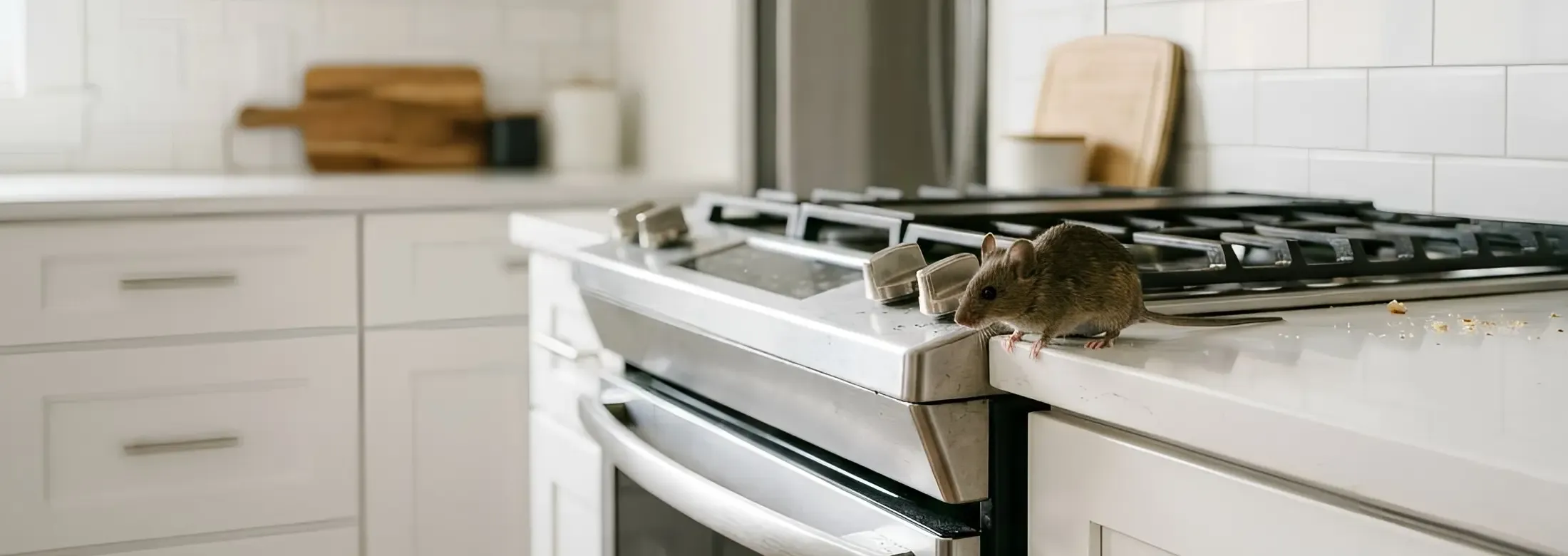
Rats, mice, and squirrels do not just create an unpleasant situation. They chew through wiring, contaminate surfaces, and compromise the parts of your home you cannot easily see. Our trained exterminators use targeted trapping and exclusion methods to remove them and keep them out.
Rodent Control in South Carolina
Rodents do not stay in one place. Rats, mice, and squirrels find their way into homes through gaps you would never think to check, and once they are inside, the damage they cause moves faster than most people expect. Chewed wiring, contaminated insulation, and structural damage are common outcomes when a rodent problem goes unaddressed for too long.
Our rodent control service uses a combination of targeted trapping and exclusion work to remove what is already inside and make it harder for anything else to get in.
Here's what you can expect from our service:
- Strategic trap placement based on rodent activity patterns and likely travel routes
- Removal of rats, mice, and squirrels that have already made their way inside
- Exclusion measures that seal off the entry points rodents are using to access your home
- Identification of conditions around your property that are making it attractive to rodents
Getting rid of the rodents already present is only part of the job. Without addressing how they got in, the problem tends to come back. Our approach covers both so you are not dealing with the same issue a few months down the road.
Get Rid of Rodents Today
Rodents don't need much of an opening. A gap in aging fascia, a crack near a utility line, a compromised crawl space vent, and they are in. Our rodent control service addresses the full picture, from where they are entering to how they are removed, so the problem does not just relocate itself.
Our process is straightforward and built around lasting results, not just a one-time visit:
- We inspect your home thoroughly, checking attics, crawl spaces, wall voids, and exterior entry points for signs of activity and access routes.
- We identify the species involved, whether that is house mice, Norway rats, or squirrels, since behavior and nesting habits affect how we approach treatment.
- We place traps in targeted locations based on travel patterns and activity evidence, not guesswork.
- We return to check traps, remove captured rodents, and assess whether activity is declining or shifting.
- We seal or block identified entry points using exclusion materials appropriate for your home's construction to reduce the likelihood of re-entry.
Why Homeowners in Choose Our Team
American Termapest, Inc. is a locally owned company, not a national franchise operating on a call center script. We know how older homes in this part of South Carolina are built, where they tend to fail, and how rodents exploit those weaknesses. You get a technician who understands the region, explains what they found, and stands behind the work they do.
Backed by 71 Years of Hands-On Experience
American Termapest, Inc. has spent 71 years solving rodent problems for homeowners just like yours, and that kind of fieldwork builds a level of knowledge you just can't get anywhere else.
We know how rats, mice, and squirrels behave season to season, which means we can identify what's happening fast, apply the right trapping and exclusion methods, and get it right the first time.

Warning Signs You May Have a Rodent Problem in Your Home
Rats, mice, and squirrels are good at keeping out of sight. By the time you spot one in the open, there are usually more tucked away in your walls, attic, or crawl space. Older homes with aging foundations and established tree cover give these animals plenty of ways in, and once they are inside, they do not leave on their own.
Knowing what to look for early can make a real difference in how much damage they cause.
Common signs of a rodent infestation in South Carolina homes include:
- Droppings along walls, in cabinet corners, or near food storage areas
- Gnaw marks on wood, insulation, or electrical wiring
- Scratching or scurrying sounds in the walls or ceiling, especially at night
- Nesting material made from shredded insulation, paper, or fabric tucked into hidden spaces
- Greasy rub marks along baseboards or wall edges where rodents travel repeatedly
- A stale, musty odor in enclosed areas like crawl spaces or utility closets
- Squirrel activity on the roofline or near attic vents, particularly in wooded or suburban areas
If any of these signs look familiar, the activity inside your home is likely more advanced than what you can see. Getting a clear picture of what you are dealing with is the first step toward getting it under control.
Rodent Exclusion Services That Prevent Re-Infestation
Exclusion work starts with a thorough inspection of your home's exterior, including the foundation, crawl space vents, roofline, utility penetrations, and any gaps where building materials have shifted or aged. Every identified entry point is a risk. Our technicians seal those openings using materials built to hold, including galvanized steel mesh, hardware cloth, and weatherproof sealants that rodents cannot chew through. Wood alone will not stop a Norway rat or a determined squirrel looking for shelter before cold weather sets in.
The goal is to prevent future activity, not just address what is happening now. Once entry points are sealed and your home's envelope is secured, rodents lose the access they depend on. That is what makes exclusion a long-term approach rather than a short-term fix. A home that has been properly sealed is far less likely to see a repeat infestation.
Frequently Asked Questions
Are your treatments safe for kids and pets?
Yes, of course! Your safety is our top priority. We use products and application methods that are designed to be effective and produce results, while also being safe for humans, pets, and the environment when used as directed. Our technicians are trained to apply treatments with care and responsibility.
Can I handle rodent control on my own?
While DIY rodent control products are available, they are often ineffective for large infestations or in cases where rodents have found safe harborage areas within your home. Professional rodent control is more comprehensive, as it includes inspection, exclusion, and long-term monitoring to prevent future infestations.
How do I prevent rodents from coming back?
To prevent future rodent infestations, consider the following tips:
- Seal entry points: Ensure windows, doors, vents, and foundations are secure.
- Remove food sources: Store food in airtight containers and dispose of trash regularly.
- Keep the environment clean: Clean up crumbs, spills, and pet food promptly.
- Trim trees and shrubs: Rodents often use branches to access roofs and attics, so keep trees trimmed away from the home.
What are the health risks of a rodent infestation?
Rodents can pose serious health risks due to the diseases and parasites they carry:
- Disease Transmission: Rodents can spread diseases such as salmonella, hantavirus, leptospirosis, and lymphocytic choriomeningitis virus (LCMV) through their urine, droppings, and saliva.
- Parasites: Rodents are known to carry fleas, ticks, and mites, which can infest your home and lead to additional health risks for humans and pets.
- Allergies: The dander from rodents, along with their droppings and urine, can trigger allergies and asthma in sensitive individuals.
What are the signs of a rodent infestation?
- Droppings: Small, dark droppings near food sources, entry points, or in hidden areas.
- Gnaw marks: Evidence of chewing on wires, furniture, food packaging, or insulation.
- Nesting material: Rodents will gather soft materials like fabric, paper, and insulation to create nests.
- Sounds: Scratching, scurrying, or squeaking noises, especially at night.
- Odor: A musty or urine-like smell, often indicating an active infestation
What causes a rodent infestation?
Rodents often seek shelter and food inside homes and businesses due to:
- Easy access to food: Open food containers, trash, or pet food are attractive to rodents.
- Entry points: Gaps around windows, doors, and vents, as well as cracks in foundations, provide access.
- Harborage: Warm, dry spaces in attics, basements, and behind walls offer a safe environment for rodents to nest and breed.
What kind of damage can rodents cause?
Rodents, especially rats and mice, have a strong instinct to chew. They can gnaw through various materials to gain access to shelter, including:
- Wood: Rodents can chew on wooden beams, walls, and floors, weakening the structural integrity of your home.
- Drywall: Mice and rats can chew through drywall, causing holes and exposing insulation.
- Insulation: Rodents often chew through insulation, leaving areas exposed and reducing your home's energy efficiency.
- Pipes and Wires: Rodents frequently chew on electrical wires, which can cause short circuits, electrical fires, or power outages. They can also damage water pipes and gas lines, leading to leaks and increased risk of water damage or gas hazards.
Rodents can damage personal items by chewing or nesting in them, such as furniture, clothing, books, and electronics.
Rodent Control Service Area
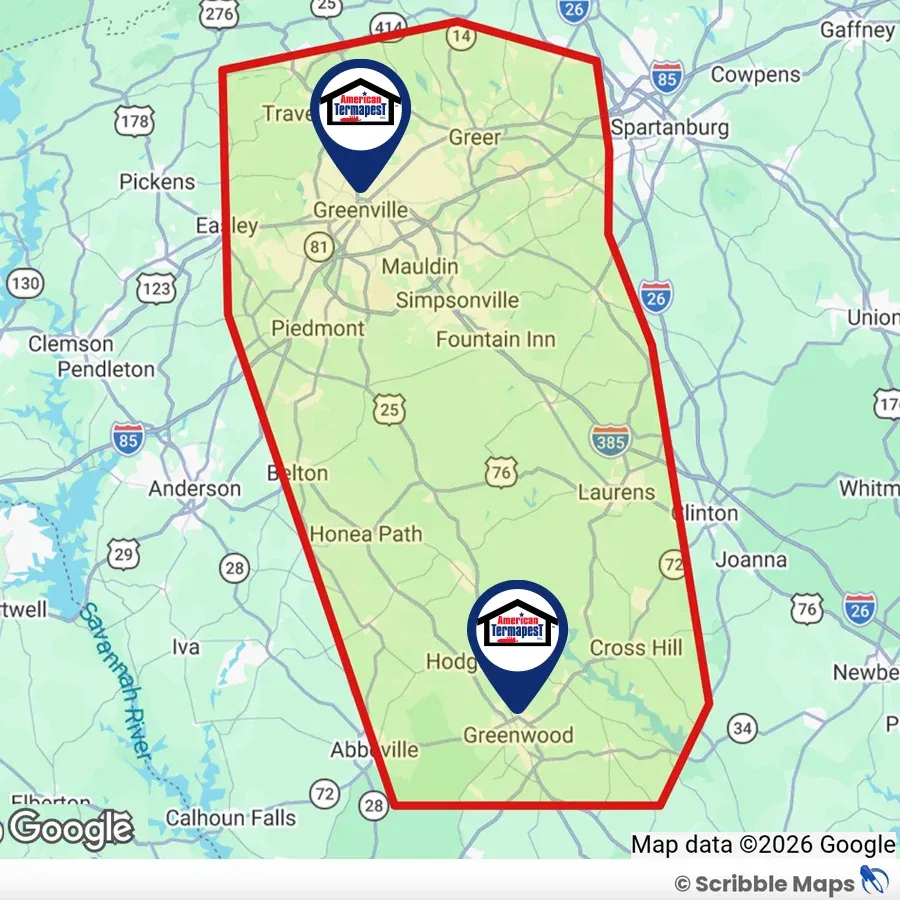
Our team is proud to provide our expert rodent control services to communities across Upstate South Carolina. Check out some towns we service below, and give us a call if you don't see yours.