Our Pest Control Blog
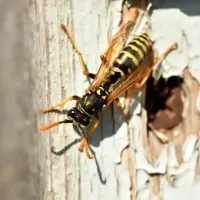
Upstate South Carolina’s warm, humid climate can attract a variety of pests throughout the year. Learn how to identify common house pests, why they enter homes, and what homeowners can do to help prevent them.
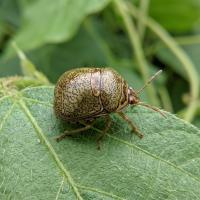
Every October they cover the same wall and leave the rest of the house alone. Here is what triggers the flight, what makes one house a target and the one next door a non-event, and the single most common reaction that ends up turning into a cleaning bill.
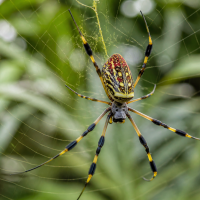
Learn what Joro spiders look like, whether they bite, how they spread, and what to do about the webs.
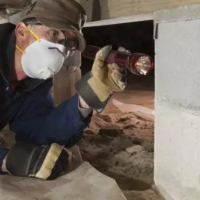
Moisture work and termite work get sold together often enough that homeowners assume one covers the other. Here is what a dry crawl space actually does to termite risk, what it cannot do, and how to tell which one your house needs first.

The CL-100 came back with findings and now nobody is sure who is on the hook. Here is how responsibility for treatment and repairs usually splits between buyer and seller, what happens when the seller says no, and why the 30 day clock matters.
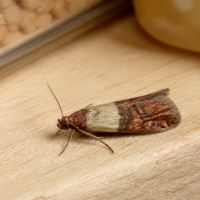
Those tiny moths fluttering around the kitchen cabinets did not fly in from outside. Here is what pantry moths actually are, how to get rid of them, and which methods are a waste of time.
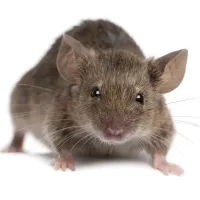
House mice, Norway rats, roof rats, and deer mice are among the most common rodents South Carolina homeowners may encounter. Knowing how each species looks, nests, and enters homes can make it easier to identify rodent activity early.
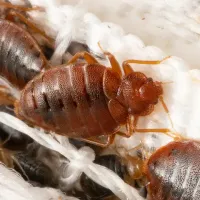
Bed bugs enter homes by hitchhiking on luggage, clothing, furniture, and personal belongings rather than being caused by dirt or clutter. Knowing what they look like and where they hide can help homeowners identify activity before an infestation spreads.
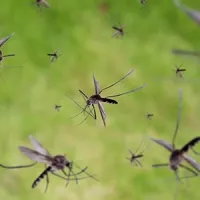
Mosquito season in Upstate SC runs roughly May through September, shorter than the coast but still significant during summer months. Urban growth across the Greenville-Spartanburg corridor has increased container mosquito populations in residential neighborhoods, and the health risks are worth understanding.
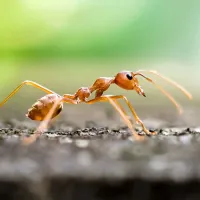
Fire ants are a year-round presence in Upstate SC yards, and their stings are more medically significant than most homeowners realize. DIY treatments rarely eliminate a colony because they never reach the queen.
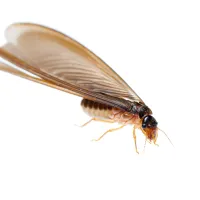
Termite swarm season in Upstate SC typically runs from February through May. A swarm does not necessarily mean termites are already inside your home, but it does confirm that a mature colony is active nearby. Understanding what a swarm looks like, what causes it, and how to respond can save homeowners thousands of dollars in structural repairs.