
Does Moisture Control Prevent Termites?
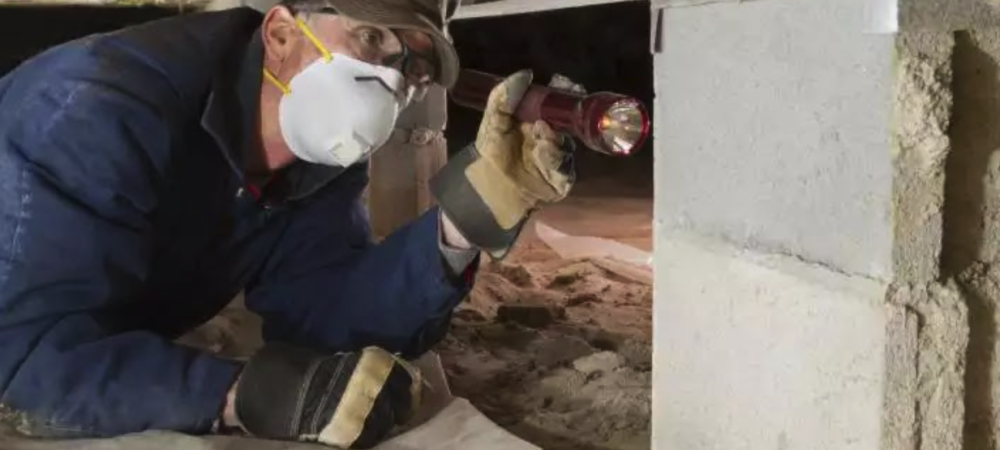
Moisture control reduces the conditions that attract subterranean termites and makes wood harder for them to attack, but moisture control does not prevent termites and is not a substitute for termite treatment. A dry crawl space lowers risk. It does not create a barrier, and termites can and do infest homes with dry crawl spaces.
That distinction matters because moisture work is often sold, or heard, as termite protection. Treating it that way leaves a home without the one thing that actually functions as protection.
Why Are Termites Attracted to Moisture?
Subterranean termites need constant moisture because they dehydrate quickly without it. The colony lives in soil, which supplies that moisture, and termites build mud tubes to travel between the soil and a food source while keeping the humid conditions they depend on.
That dependency is why damp areas of a structure carry more risk than dry ones. Wood that stays wet is softer, easier to chew, and easier to digest, and the damp space around it holds the humidity a foraging colony needs to stay active.
It also explains why crawl spaces come up in nearly every termite conversation. A crawl space puts soil, structural wood, and trapped humidity in the same place.
What Does Moisture Control Actually Change?
Moisture control removes conducive conditions, which means the factors that make a structure more likely to be infested and more likely to be damaged once it is. Reducing those conditions is one of the more effective preventive steps available to a homeowner.
A vapor barrier over exposed soil cuts ground moisture moving up into the crawl space. Correcting drainage and grading keeps water from collecting against the foundation. Fixing plumbing leaks, redirecting air conditioning condensate, and clearing gutters removes standing water sources. Adequate ventilation or a properly sized dehumidifier keeps humidity from condensing on framing.
Every one of those makes the structure a worse target. None of them stops a colony that is already foraging nearby from finding the house.
Can a Dry Crawl Space Still Get Termites?
A dry crawl space can absolutely still get termites, because the colony's moisture comes from the soil it lives in, not from your crawl space. Termites carry their own humidity with them inside mud tubes.
Worth knowing: A vapor barrier is not a termite barrier, and crawl space encapsulation is not termite treatment. Termites tunnel through soil beneath and around barriers and build mud tubes over foundation walls and piers to reach wood above. Encapsulation done without attention to termite inspection can make the problem harder to catch, because sealing a crawl space can cover the foundation surfaces where mud tubes would otherwise be visible during an inspection. Any encapsulation work should leave inspection gaps along foundation walls so activity can still be spotted. If someone tells you a sealed crawl space means you no longer need termite protection, that is not accurate.
What Are the Conducive Conditions That Matter Most?
Conducive conditions are the specific, correctable factors that raise termite risk on a property. The ones that show up most often are:
- Earth-to-wood contact, such as siding, steps, or support posts touching soil
- Plumbing leaks and air conditioning condensate draining under the structure
- Roof leaks and failed flashing letting water into framing
- Poor grading that directs runoff toward the foundation
- Clogged or missing gutters and downspouts discharging at the foundation
- Inadequate crawl space ventilation causing condensation on framing
- Firewood, lumber, or cardboard stored against the foundation or in the crawl space
- Mulch piled deep against siding
- Dense shrubs blocking airflow and holding moisture against the structure
Correcting these is genuinely worth doing. They are also the items most likely to appear as findings on an inspection report, which makes them worth handling before they are someone else's leverage in a transaction.
Do You Need Both Moisture Control and Termite Treatment?
For most homes with a crawl space, both are appropriate, and they solve different problems. Moisture control protects the structure from decay and makes it a less attractive target. Termite treatment is what stands between the colony and the house.
A reasonable way to decide is to have both assessed at the same inspection. Moisture readings, visible decay, drainage, and termite evidence are all things a single inspection can evaluate, and seeing them together makes it clearer which issue is urgent and which can be scheduled.
Key Takeaways
- Moisture control reduces termite risk but does not prevent termites and is not a substitute for treatment.
- Subterranean termites get their moisture from the soil they live in, so a dry crawl space does not stop them.
- A vapor barrier is not a termite barrier, and encapsulation is not termite treatment.
- Encapsulation should leave inspection gaps so mud tubes on foundation walls remain visible.
- Conducive conditions such as earth-to-wood contact, leaks, poor grading, and stored wood are correctable and worth correcting.
- Real termite protection combines treatment, annual inspection, and conducive condition correction.
- Moisture control independently addresses wood decay fungi, odors, floor damage, and other moisture-driven pests.
Not Sure Which One Your House Needs?
Moisture and termite issues tend to show up in the same places, and one inspection can evaluate both. If you have a damp crawl space, a musty smell upstairs, or you just want to know where a house stands before it becomes a problem, American Termapest, Inc. can assess the structure and tell you plainly which issue needs attention first. Learn more about moisture control and termite control, or request a free quote.