
Fire Ants in Upstate SC
Fire ants are one of the most aggressive outdoor pests in South Carolina, especially in lawns, landscape beds, walkways, and areas where children or pets spend time. A single mound may look like a small issue, but fire ant colonies often extend underground and can spread across a property quickly when conditions are favorable.
Because fire ants sting, defend their colonies aggressively, and can rebuild after being disturbed, effective control requires more than treating the mound that is easiest to see.
What Are Fire Ants?
The red imported fire ant arrived in the United States from South America in the early 20th century and has been firmly established across South Carolina ever since. These ants are highly organized, fast-spreading, and capable of building large colonies that create problems across residential lawns, commercial properties, playgrounds, and outdoor living areas.
Colonies can range from 100,000 to 500,000 workers, and a single yard in Greenville or Spartanburg can support multiple colonies at once. Some colonies have a single queen, while others have several, and multi-queen colonies tend to spread more aggressively because they can reproduce and expand across a property more efficiently.
How to Spot a Fire Ant Mound
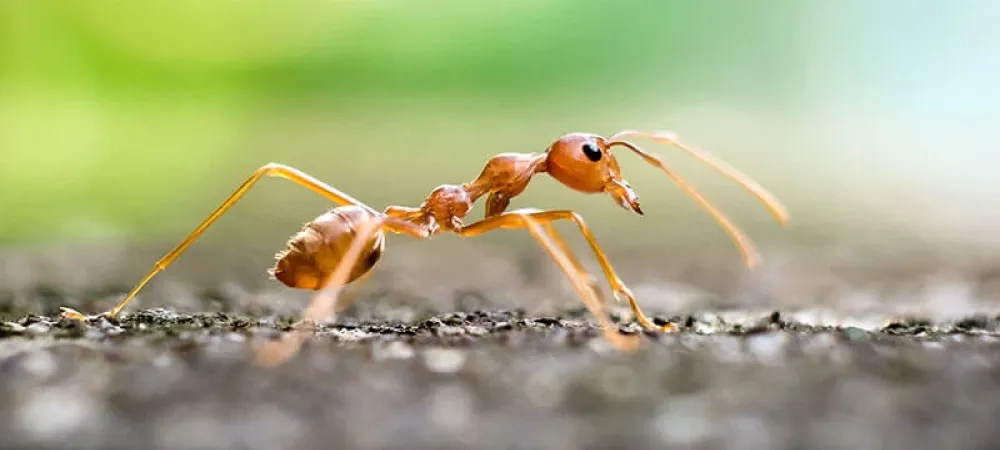
Fire ants are reddish-brown and range from 1/16 to 1/4 inch long, depending on their role in the colony. Unlike many common ants, fire ants have a stinger and will use it when the mound is disturbed.
Their mounds are dome-shaped piles of loose, granular soil with no visible entry hole at the top. The colony travels through underground tunnels, which is why pouring liquid directly into a mound rarely reaches the full colony.
Mounds most commonly appear in:
- Open lawn areas, especially after rain softens the soil. Moist soil makes it easier for fire ants to build and repair mounds.
- Along driveways, sidewalks, and patio edges. These areas provide warmth and protected edges where colonies can develop.
- Around tree bases and garden beds with disturbed soil. Loose soil, mulch, and irrigation can create favorable nesting conditions.
- Near electrical equipment. Fire ants may gather near electrical boxes, HVAC units, and irrigation controls because these areas provide warmth and shelter.
Why Fire Ants Spread So Quickly
Fire ants are difficult to control because the visible mound is only one part of the colony. The queen, or queens, remain protected underground while worker ants forage, defend the mound, and maintain the tunnel system.
When a mound is disturbed, the colony may relocate or rebuild nearby. This is why homeowners may see new mounds appear after mowing, heavy rain, or an attempted DIY treatment, even if the original mound looked inactive for a short time.
How Dangerous Are Fire Ant Stings?
When a mound is disturbed, fire ants swarm and sting simultaneously, and a person can receive dozens of stings within seconds. For most people, each sting causes a burning sensation, followed by redness, swelling, and a white pustule that forms within a few hours.
For people allergic to insect venom, fire ant stings can trigger a serious reaction, including anaphylaxis, which requires immediate emergency care. Children and pets are at particular risk because they may not recognize a mound or move away quickly enough once the ants begin stinging.
Where Fire Ants Create the Most Problems
Fire ants can make outdoor spaces harder to use, especially when mounds appear in areas with regular foot traffic. Even well-maintained properties can develop fire ant problems when soil conditions, moisture, and open space support colony growth.
Common problem areas include:
- Lawns and side yards: Mounds can interfere with mowing, play, and everyday yard use.
- Walkways, patios, and driveways: Colonies near hard surfaces increase the chance of accidental contact.
- Play areas and pet areas: Children and pets are more likely to disturb a mound without realizing it.
- Landscape beds and garden areas: Loose soil, mulch, and irrigation can attract fire ant activity.
- Utility and electrical areas: Fire ants may nest near equipment where warmth and shelter are available.
Why DIY Treatments Usually Fail
Eliminating a fire ant colony requires eliminating the queen. Worker ants are replaceable, and most retail products never reach the colony’s reproductive core.
Common reasons DIY approaches fall short include:
- Mound drenches and contact sprays kill surface ants but rarely penetrate deep enough to matter.
- Granular baits lose effectiveness when wet or applied when ants are not actively foraging.
- Treating visible mounds one at a time leaves satellite colonies untouched.
- Disturbing the mound before treatment can cause the colony to relocate.
- Using the wrong product or timing the application poorly can reduce effectiveness.
Professional treatments use products and application methods not available in retail, applied across the full property under the right conditions for stronger population suppression.
Schedule Fire Ant Control in the Upstate
Fire ant problems can spread quickly when colonies are left untreated, especially in lawns, play areas, pet areas, and outdoor spaces used regularly by family members or guests. Addressing activity early can help reduce the risk of stings and limit the spread of colonies across the property.
Contact American Termapest, Inc. for a fire ant inspection serving Greenville, Spartanburg, and the surrounding Upstate area.