
How Bed Bug Spread
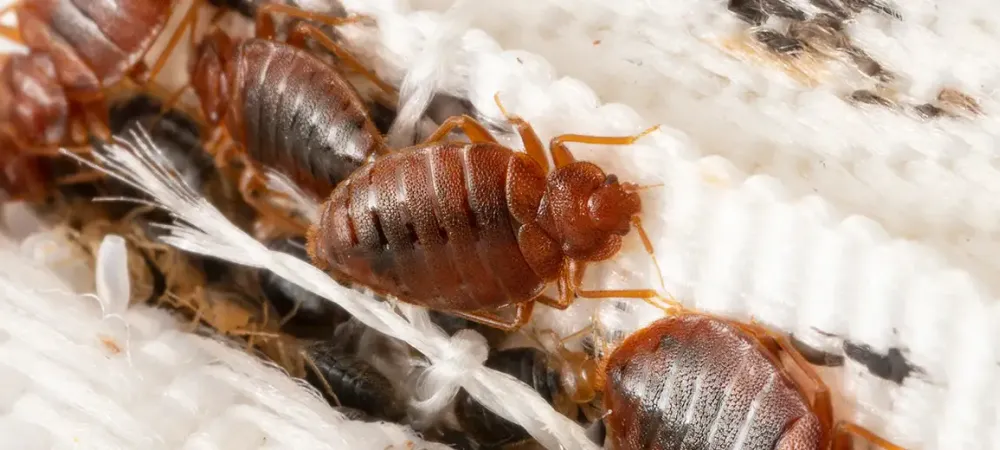
Bed bugs are one of the most misunderstood household pests. They are often associated with dirty homes, but that assumption is inaccurate and can make people hesitate to address an infestation early.
Bed bugs spread by traveling on people, luggage, furniture, clothing, bags, and other personal items. Once they enter a home, they hide close to sleeping and resting areas, feed at night, and can become much harder to eliminate if the infestation is allowed to grow.
Quick Answer: What Causes Bed Bugs?
Bed bugs are usually introduced into a home after hitchhiking on luggage, used furniture, clothing, bags, or other belongings. They do not appear because a home is dirty, and they are not attracted to clutter, food, or poor sanitation.
What Attracts Bed Bugs?
Bed bugs are not attracted to dirt or clutter. They follow warmth and carbon dioxide, which means they follow people, and the cleanliness of a home has no bearing on whether they show up.
This misconception matters because the embarrassment surrounding bed bugs often causes homeowners to delay asking for help or inspecting the problem closely. A small infestation that could have been addressed quickly can become more difficult and expensive to treat within a few weeks, especially if bed bugs spread from one room into multiple sleeping or resting areas.
What Do Bed Bugs Look Like?
Adult bed bugs are small, flat, oval-shaped insects that are usually brown to reddish-brown. They are often compared to the size and shape of an apple seed, though their bodies may become more swollen and reddish after feeding.
Young bed bugs, called nymphs, are smaller and lighter in color, making them harder to see on bedding, furniture seams, and light-colored surfaces. Bed bug eggs are tiny, pale, and difficult to spot without a close inspection, which is one reason infestations can grow before the signs become obvious.
How Bed Bugs Enter Homes
Bed bugs travel on people and objects, not through soil, air, or outdoor nesting areas. They are excellent hitchhikers and can move from one location to another by hiding in seams, folds, pockets, zippers, upholstery, and other protected spaces.
The most common routes include:
- Hotel stays: Bed bugs can move onto luggage, clothing, and bags within hours of exposure in an infested room.
- Used furniture and mattresses: Upholstered pieces acquired secondhand carry real risk because bed bugs can survive for months without feeding.
- Secondhand clothing: Items from thrift stores, resale platforms, or shared storage areas can carry eggs or live bugs.
- Visiting infested spaces: Bed bugs can crawl into a bag, coat, backpack, or purse at any location with upholstered seating and return home undetected.
- Shared housing and neighboring units: Apartments, dorms, and multi-unit buildings can make it easier for bed bugs to spread between rooms or units.
- Travel bags and personal items: Suitcases, gym bags, laptop bags, and overnight bags can carry bed bugs from one location to another.
Where Do Bed Bugs Hide?
Bed bugs stay close to places where people sleep or rest for long periods. They prefer tight, protected spaces where they can remain hidden during the day and come out to feed at night.
Common hiding places include:
- Mattress seams, tags, and piping.
- Box springs and bed frames.
- Headboard joints and screw holes.
- Cracks along baseboards or nearby walls.
- Upholstered chairs, couches, and recliners.
- Nightstands, dressers, and furniture joints near the bed.
- Curtain folds, wall hangings, and loose wallpaper near sleeping areas.
- Electrical outlet covers and small wall voids in heavier infestations.
Bed bugs can spread beyond the bed as the infestation grows, especially if people move bedding, furniture, or personal belongings from one room to another.
Signs of a Bed Bug Infestation
Bed bugs are roughly apple-seed-sized and stay hidden during the day, so many infestations are active for weeks before a homeowner identifies them with confidence. Because reactions to bites vary, visual evidence is often more reliable than skin irritation alone.
Watch for:
- Bites: Small, itchy welts may appear in lines or clusters on skin exposed during sleep, although some people show no reaction at all.
- Blood spots: Small rust-colored stains may appear on sheets, pillowcases, pajamas, or mattress seams.
- Shed skins: Translucent casings may be found near sleeping areas as bed bugs molt before reaching adulthood.
- Dark spotting: Small black dots on fabric, mattress seams, bed frames, or nearby furniture may be bed bug excrement.
- Live bugs: Flat, oval, brown adults may be found in mattress seams, headboard joints, box springs, and nearby baseboards.
- Tiny eggs: Pale eggs may be tucked into seams, cracks, and protected furniture joints.
What Do Bed Bug Bites Look Like?
Bed bug bites often appear as small, red, itchy bumps, sometimes in lines or clusters. They are commonly found on skin exposed during sleep, including arms, shoulders, neck, legs, and the face.
However, bites are not enough to confirm a bed bug infestation because people react differently. Some people develop noticeable welts, while others show little or no visible reaction, which is why bedding, mattress seams, and nearby furniture should be checked for physical evidence.
What Not to Do If You Find Bed Bugs
If signs of bed bugs are found, avoid moving the mattress to another room or sleeping somewhere else in the home. Both actions can spread bed bugs into previously unaffected areas, making the infestation harder to contain.
It is also important to avoid moving bedding, furniture, clothing, or bags through the home without sealing them first. Bed bugs can hide in small spaces and drop off during movement, which can turn a bedroom issue into a larger whole-home problem.
Why Bed Bugs Spread So Quickly
Bed bugs can spread quickly because they are small, secretive, and easy to move accidentally. A few bugs can hide in a suitcase, piece of furniture, backpack, or folded blanket, then establish themselves near a sleeping area once they arrive in a new location.
Their ability to hide during the day also allows infestations to grow quietly. By the time blood spots, shed skins, or live bugs are easy to find, the infestation may already include eggs, nymphs, and adults in more than one hiding place.
How to Reduce the Risk of Bringing Bed Bugs Home
Bed bug prevention is mostly about inspection and caution, especially after travel or when bringing secondhand items into the home. No method can eliminate risk entirely, but a few habits can reduce the chance of introducing bed bugs.
Helpful steps include:
- Inspect hotel mattresses, headboards, and bedding before unpacking.
- Keep luggage elevated and away from beds or upholstered furniture during travel.
- Wash and dry travel clothing on high heat after returning home.
- Inspect secondhand furniture carefully before bringing it indoors.
- Avoid picking up mattresses, couches, or upholstered items from the curb.
- Store travel bags away from bedrooms when possible.
- Check seams, folds, and zippers on bags after staying in shared lodging.
When to Turn to Help
Any confirmed sign of bed bugs should be taken seriously because early infestations are easier to address than established ones. Blood spots, shed skins, dark spotting, live bugs, or repeated unexplained bites after sleep all deserve closer inspection.
If bed bug activity is suspected, contact our team for help identifying the source of the problem and determining the next step.