
Most Common Rodents SC
Rodents are common throughout South Carolina because the state provides the food, water, shelter, and mild seasonal conditions they need to survive. While many rodents live outdoors without causing problems, a few species are especially likely to enter homes, garages, crawl spaces, attics, sheds, and commercial buildings.
The most common rodent pests in South Carolina are house mice, Norway rats, roof rats, and deer mice. Each one behaves differently, so knowing what they look like, where they nest, and how they get inside can help homeowners recognize activity before the problem grows.
What Are the Most Common Rodents in South Carolina?
The most common rodents found in South Carolina homes are house mice, Norway rats, roof rats, and deer mice. House mice are small indoor invaders, Norway rats usually stay lower to the ground, roof rats are strong climbers, and deer mice are more common around wooded or rural areas.
Rodents become a bigger concern when they move from outdoor nesting areas into homes in search of food, water, warmth, or shelter. Once inside, they can contaminate surfaces, damage insulation, chew wiring, and create persistent activity in hidden areas.
House Mice
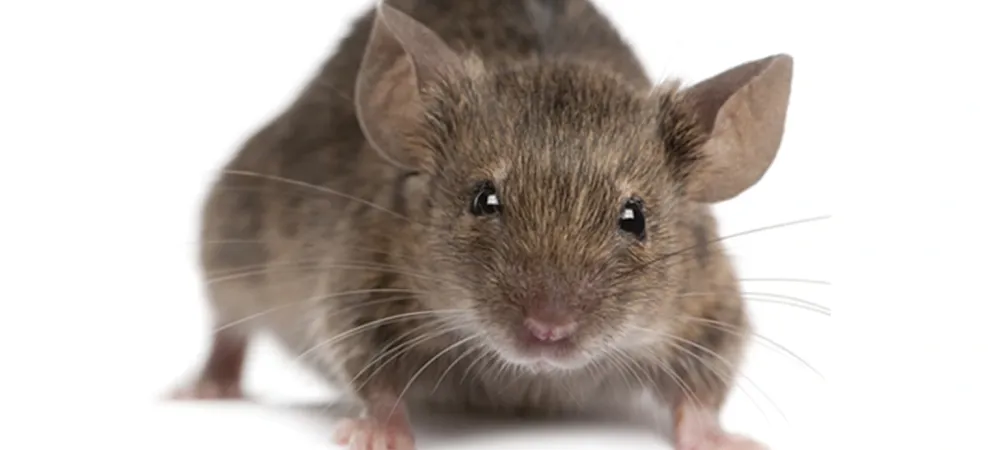
House mice are among the most common rodent pests in homes and businesses. They are small, usually grayish-brown, and able to squeeze through very small gaps around doors, utility lines, vents, siding, crawl space openings, and foundation cracks.
These rodents reproduce quickly and can remain hidden for long periods. House mice commonly nest in wall voids, cabinets, storage boxes, insulation, garages, pantries, and cluttered areas where food and nesting material are easy to find.
Common signs of house mice include:
- Small droppings near cabinets, drawers, pantries, or baseboards.
- Gnaw marks on food packaging, cardboard, or stored materials.
- Scratching or light movement sounds inside walls or ceilings.
- Nesting material made from paper, fabric, insulation, or soft debris.
- A stale or musky odor in enclosed areas with heavier activity.
Norway Rats
Norway rats are large, heavy-bodied rodents that usually stay close to the ground. They are often brown or grayish-brown, with blunt noses, small ears, and tails that are shorter than their bodies.
In South Carolina, Norway rats often nest in burrows near foundations, crawl spaces, sheds, garages, trash areas, wood piles, and overgrown edges of a property. They are strong gnawers and can damage plastic, wood, insulation, wiring, and stored items while looking for food or shelter.
Common signs of Norway rats include:
- Large, capsule-shaped droppings near walls, trash areas, or storage spaces.
- Burrows along foundations, fences, crawl spaces, or landscape edges.
- Grease marks along walls where rats travel repeatedly.
- Gnaw marks on wood, plastic, wiring, or stored materials.
- Noises from crawl spaces, garages, or lower wall areas.
Roof Rats
Roof rats are slimmer and more agile than Norway rats, and they are known for climbing. They are often dark brown to black, with pointed noses, large ears, and tails that are usually longer than their bodies.
Roof rats are often associated with attics, trees, rooflines, soffits, vines, utility lines, and upper levels of buildings. Their climbing ability allows them to access homes from above, especially when branches, vegetation, or exterior gaps connect to the roofline.
Common signs of roof rats include:
- Scratching or running sounds in attics, ceilings, or upper walls.
- Droppings in attic insulation or near roofline access points.
- Gnaw marks near soffits, fascia boards, vents, or roof openings.
- Fruit, nuts, or stored food with chew damage.
- Rodent activity near trees, vines, fences, or utility lines connected to the home.
Deer Mice
Deer mice are small rodents with brown or grayish-brown backs, white undersides, large eyes, and relatively large ears. They are more commonly associated with wooded, rural, or semi-rural areas, but they can enter homes, sheds, cabins, garages, and storage areas.
Deer mice matter because they may carry diseases, including hantavirus in some regions. Risk is often tied to exposure to contaminated droppings, urine, saliva, or nesting material, especially in enclosed spaces that have been undisturbed for long periods.
Common signs of deer mice include:
- Small droppings in sheds, garages, storage areas, or rarely used rooms.
- Nesting material in boxes, equipment, insulation, or stored belongings.
- Chewed seeds, grains, pet food, or stored items.
- Activity near wooded edges, wood piles, fence lines, or outbuildings.
- Rodent evidence in spaces that have been closed up for long periods.
How Do Rodents Get Inside Homes?
Rodents enter homes through small gaps that are easy to overlook. Mice can squeeze through very small openings, while rats can gnaw around weak spots to make damaged areas large enough to enter.
Common rodent entry points include:
- Gaps around garage doors and exterior doors.
- Openings around pipes, wires, vents, and utility lines.
- Crawl space vents, foundation cracks, and gaps under siding.
- Roofline openings, soffit gaps, and damaged fascia boards.
- Chimneys, attic vents, and gaps near roof returns.
- Holes around decks, porches, sheds, and attached structures.
Why Rodents Are a Problem Indoors
Rodents contaminate the areas where they travel, nest, and feed. Their droppings, urine, nesting materials, and hair can affect cabinets, drawers, stored food, insulation, and hidden spaces inside the home.
They can also cause damage by gnawing on wiring, wood, plastic, insulation, food packaging, and stored belongings. Since rodents are most active when people are less likely to see them, the first signs are often droppings, scratching sounds, or chew marks rather than a live mouse or rat.
How to Reduce Rodent Risk Around Your Home
Rodent prevention depends on limiting access to food, water, and shelter. Since rodents can enter through small openings and use outdoor cover to stay protected, both the exterior and interior of the home should be checked regularly.
Helpful prevention steps include:
- Seal gaps around doors, vents, pipes, wires, and foundation openings.
- Store pantry food, pet food, and bird seed in sealed containers.
- Keep trash cans tightly closed and away from entry points when possible.
- Trim vegetation, vines, and branches touching the home or roofline.
- Remove clutter from garages, sheds, crawl spaces, and storage areas.
- Keep firewood elevated and stored away from exterior walls.
- Repair moisture issues that provide rodents with water sources.
When Rodent Activity Should Be Taken Seriously
Rodent activity should be taken seriously when droppings, gnaw marks, scratching sounds, burrows, or nesting material appear inside or around the home. Even a small amount of evidence can indicate a larger issue nearby, especially because rodents reproduce quickly and stay hidden in protected spaces.
If signs of rodents are found in your home, attic, crawl space, garage, or storage areas, contact American Termapest, Inc. for professional rodent control in South Carolina.