
Termite Swarm Season in The Upstate
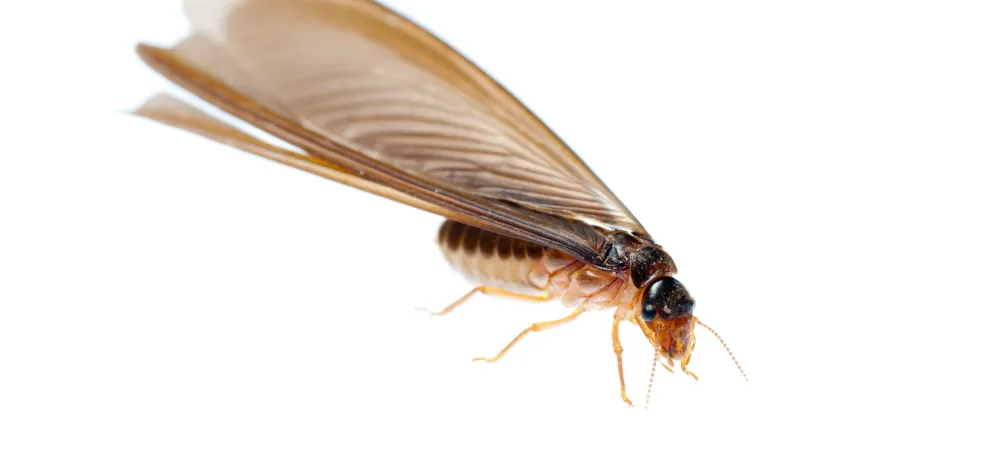
Termite swarm season in Upstate SC typically runs from February through May. A swarm does not mean termites are in your home, but it does mean a mature colony is nearby. Knowing what to look for and acting quickly can prevent thousands of dollars in structural damage.
What Is Termite Swarm Season?
Each spring, mature termite colonies release winged reproductive termites, called alates or swarmers, to fly out and start new colonies. The swarm itself lasts less than 30 minutes in most cases. After pairing, swarmers drop their wings and attempt to establish a new colony nearby.
The swarm is often the first visible sign homeowners get that termites are active on or near their property. In South Carolina, termite swarm season is a real annual event, not a distant concern.
When Does Termite Season Peak in the Upstate?
Timing varies by species, and the Upstate has more than one to watch:
- Eastern Subterranean Termites: The most common species in South Carolina. They swarm during the day from February through May, typically after a warm rain when temperatures reach the mid-70s Fahrenheit.
- Light Southeastern Subterranean Termites: According to the South Carolina Pest Control Association, this species is more common in the Upstate and Midlands. It tends to swarm later in the season, from late spring into early summer.
- Formosan Termites: Primarily a coastal threat in SC. Established colonies have been documented in Pickens County, though the Upstate has far lower Formosan pressure than coastal areas.
According to South Carolina's Termite Infestation Probability (TIP) Zone classification from Clemson University, the entire state sits in Zone 1, which is the highest risk category.
Termites vs. Flying Ants
This is one of the most common questions we hear. Both can show up at the same time of year, but they're very different problems. Here's what to look for:
- Antennae: Termite swarmers have straight, beaded antennae. Flying ants have bent or elbowed antennae.
- Wings: Termite wings are equal in length and extend well past the body. Ant wings are unequal, with the front pair larger than the back.
- Waist: Termites have a thick, uniform waist with no pinch. Ants have a narrow, pinched waist.
If you find piles of discarded wings near windowsills, doorways, or light fixtures after the swarm, that's a strong indicator you're dealing with termites.
Early Warning Signs of Termites
A swarm is just one signal. Termites can be active in your home without producing visible swarmers, especially if the colony is still maturing. Watch for:
- Mud tubes along your foundation, piers, or crawl space walls. These pencil-width tunnels are how subterranean termites travel from soil to wood.
- Wood that sounds hollow when tapped, or that feels soft when probed with a screwdriver.
- Discarded wings near windows, doors, or on windowsills.
- Blistered or darkened wood surfaces that look water-damaged without a leak explanation.
- Frass (termite droppings that look like fine sawdust or sand) near wood surfaces, though this is more common with drywood termites.
In our experience, homeowners often discover termite damage during a renovation or home inspection, long after the damage has already accumulated. Eastern subterranean termites eat wood from the inside out, which means the surface can look intact while the interior is compromised.
What to Do If You See a Swarm
Swarmers themselves do not bite or cause structural damage. What they signal is that a mature colony is nearby, and that colony has been active for at least three to five years.
Do not spray them with store-bought pesticide. This kills the visible insects but does nothing to the colony underground. The problem will continue.
Instead:
- Take a photo of the swarmers if you can. Species identification helps.
- Collect a few in a sealed bag for your pest control professional to examine.
- Note where you saw them: indoors, outdoors, near the foundation, or from a specific wall.
- Schedule a professional inspection promptly.
How to Prevent Termites
No prevention method eliminates risk in a state classified as TIP Zone 1, but you can reduce exposure:
- Keep mulch at least 15 inches from your foundation.
- Fix leaking pipes, gutters, and downspouts that create moisture near the structure.
- Store firewood away from the home, off the ground, and never against exterior walls.
- Maintain clearance between any wood member and soil contact.
- Schedule annual termite inspections even if you have no current evidence of activity.
If you have seen swarmers or any of the signs above, now is the right time to act. Contact our team today for a professional termite inspection in South Carolina.