
When are Mosquitoes Most Active in Upstate SC?
Mosquitoes are a seasonal concern across South Carolina, but activity varies by region. In the Upstate, mosquito pressure is shaped by warm temperatures, rainfall, shaded vegetation, standing water, and the species most common around residential properties.
While mosquito season is shorter in the Upstate than it is along coastal South Carolina, it still lasts long enough to affect lawns, patios, gardens, pet areas, and other outdoor spaces throughout spring and summer.
Quick Answer: When Is Mosquito Season in the Upstate?
Mosquito season in Upstate South Carolina typically runs from May through September, with July and August bringing the highest level of activity.
Why Mosquito Activity Peaks in Summer
Mosquitoes become active when temperatures remain consistently above 50 degrees Fahrenheit, and they generally stay active until sustained cooler weather drops below that threshold in the fall. In Upstate South Carolina, mosquito season typically runs from May through September, with July and August bringing the highest level of mosquito pressure.
This window is shorter than the coastal South Carolina season, where warmer temperatures and tidal wetlands can support mosquito activity from March through November. However, the Upstate still has a long enough mosquito season for populations to build quickly, especially after warm, rainy weather.
When Are Mosquitoes Most Active During the Day?
Mosquito activity depends on the species, but many mosquitoes are most active during the cooler parts of the day. In residential yards, bites are often more noticeable in the early morning, late afternoon, evening, and overnight hours.
Some mosquito species bite during the day, while others feed from dusk to dawn. This is why homeowners may notice mosquito activity at different times depending on whether they are gardening, walking pets, sitting outside in the evening, or spending time near shaded areas.
What Do Mosquitoes Look Like?
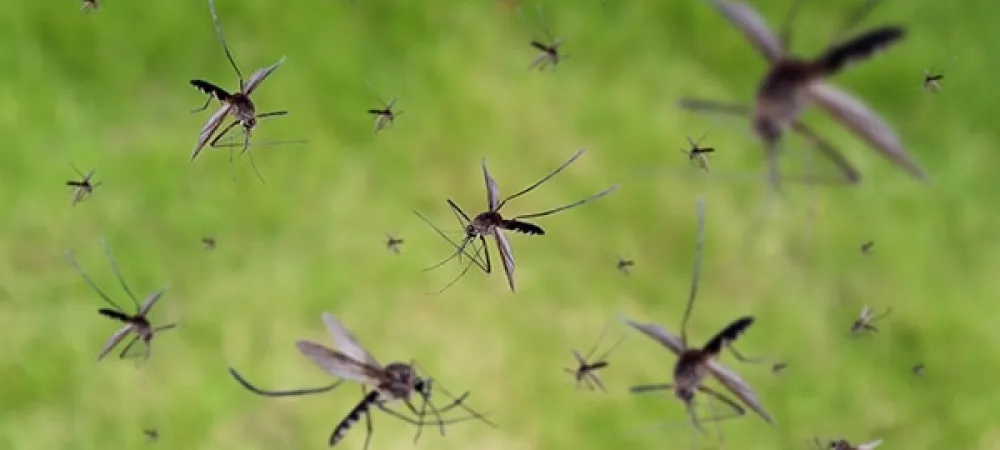
Mosquitoes are small flying insects with slender bodies, long legs, narrow wings, and a long mouthpart called a proboscis. Their size and coloring can vary by species, but most mosquitoes are recognized by their thin build and hovering flight pattern.
Only female mosquitoes bite because they need blood to support egg production. Male mosquitoes do not bite, and both males and females may feed on plant nectar.
What Attracts Mosquitoes to Your Yard?
Mosquitoes are attracted to yards that provide breeding sites, resting areas, and access to people or animals. Even a well-maintained property can support mosquito activity if small amounts of water sit long enough after rain.
Common mosquito attractants include:
- Standing water in containers. Flower pot saucers, buckets, lids, toys, wheelbarrows, and tarps can collect enough water for mosquitoes to breed.
- Clogged or slow-draining gutters. Leaves and debris can trap water along the roofline.
- Bird baths and decorative water features. Water that is not refreshed regularly can support mosquito larvae.
- Dense shrubs, ground cover, and shaded vegetation. Adult mosquitoes often rest in cool, shaded areas during the heat of the day.
- Low spots in the yard. Areas that hold water after rain can contribute to mosquito development.
- Pet bowls and outdoor water containers. Any water left outside for several days can become a breeding source.
Which Mosquito Species Are Most Active Here?
Several mosquito species may be present in South Carolina, but two are especially important for Upstate homeowners to understand: the Asian tiger mosquito and the southern house mosquito. These species behave differently, which means mosquito activity can appear in more than one way around the same property.
Asian Tiger Mosquito
The Asian tiger mosquito is recognizable by its black-and-white striped pattern and is one of the species most commonly encountered in residential yards. This mosquito is a daytime biter, with activity often strongest in the early morning and late afternoon.
Asian tiger mosquitoes can breed in very small amounts of standing water, which makes them especially common around homes, patios, porches, and landscaped areas.
Common breeding sites include:
- Flower pot saucers and plant trays.
- Clogged or slow-draining gutters.
- Buckets, lids, toys, tarps, and other containers left outside after rain.
- Bird baths that are not refreshed regularly.
- Small pockets of water around patios, decks, and garden areas.
Southern House Mosquito
The southern house mosquito is one of the most widespread mosquito species in South Carolina and is important because it is associated with West Nile virus transmission. Unlike the Asian tiger mosquito, this species is most active from dusk to dawn.
Southern house mosquitoes often breed in larger standing water sources such as retention ponds, ditches, stagnant drains, stormwater areas, and other places where water can sit long enough for larvae to develop. Homeowners may not always notice this species as easily, but it can still contribute to seasonal mosquito pressure.
Why Mosquitoes Get Worse After Rain
Mosquito activity often increases after rain because standing water gives females a place to lay eggs. Depending on the species and conditions, mosquitoes can develop from egg to adult quickly, which means several days of warm, wet weather can lead to a noticeable increase in biting activity.
Rain also creates temporary breeding sites in places that may not normally hold water. A forgotten bucket, clogged gutter, plant tray, or low spot in the yard can become a mosquito source if water remains in place long enough for larvae to mature.
Are Mosquitoes Dangerous in South Carolina?
Mosquito bites are often treated as a nuisance, but mosquitoes can also transmit diseases monitored by public health agencies. Not every mosquito carries disease, and not every bite leads to illness, but mosquito exposure is still worth taking seriously during the active season.
The most relevant mosquito-related health concerns for local residents include:
- West Nile virus. This is one of the most commonly reported mosquito-borne illnesses in South Carolina, and while many infections are mild, serious neurological illness can occur, especially in older adults.
- Eastern equine encephalitis, or EEE. This disease is rare in people but has been documented in South Carolina, and fatal cases in horses indicate that the virus can circulate locally.
- Canine heartworm. This is not a human health risk, but mosquitoes are the transmission vector for heartworm disease in dogs.
SCDHEC maintains a Mosquito-Borne Disease Viewer that allows residents to check detected disease activity in their county during the current mosquito season.
How to Tell If Mosquitoes Are Breeding on Your Property
Mosquito breeding sites are not always obvious because many species can reproduce in small amounts of stagnant water. If mosquitoes seem especially active around the same part of the yard, there may be a nearby water source or shaded resting area supporting the population.
Signs that mosquitoes may be breeding nearby include:
- Standing water that remains for several days after rain.
- Mosquitoes gathering near containers, gutters, drains, or low areas.
- Wiggle-like larvae moving in still water.
- Heavy biting activity near shaded shrubs, under decks, or around dense vegetation.
- Mosquitoes returning quickly after short-term sprays, candles, or foggers are used.
How to Reduce Mosquitoes Around Your Yard
Mosquito activity cannot be eliminated completely outdoors, but consistent property maintenance can reduce the conditions that allow populations to grow. The most important step is to remove water before larvae have enough time to mature.
Helpful mosquito prevention steps include:
- Empty containers after rain.
- Refresh bird baths and pet water bowls regularly.
- Clean gutters so water can drain properly.
- Store buckets, toys, lids, and garden items upside down or under cover.
- Trim dense vegetation where adult mosquitoes may rest during the day.
- Repair drainage issues that allow water to sit in low areas.
- Check under decks, around patios, and near outdoor storage areas for hidden water sources.
When to Pay Closer Attention to Mosquito Activity
Mosquito activity deserves closer attention when biting pressure becomes consistent, when mosquitoes are active during the day, or when they begin affecting routine outdoor use. Properties with pets, children, shaded yards, drainage issues, dense plantings, or nearby standing water may experience more persistent mosquito pressure during the season.
In Upstate South Carolina, the most important months to monitor mosquito activity are May through September, with extra attention during July and August when pressure is typically highest. If mosquitoes are making outdoor areas difficult to use, contact American Termapest, Inc. to learn about mosquito control in Greenville, Spartanburg, and the surrounding Upstate area.